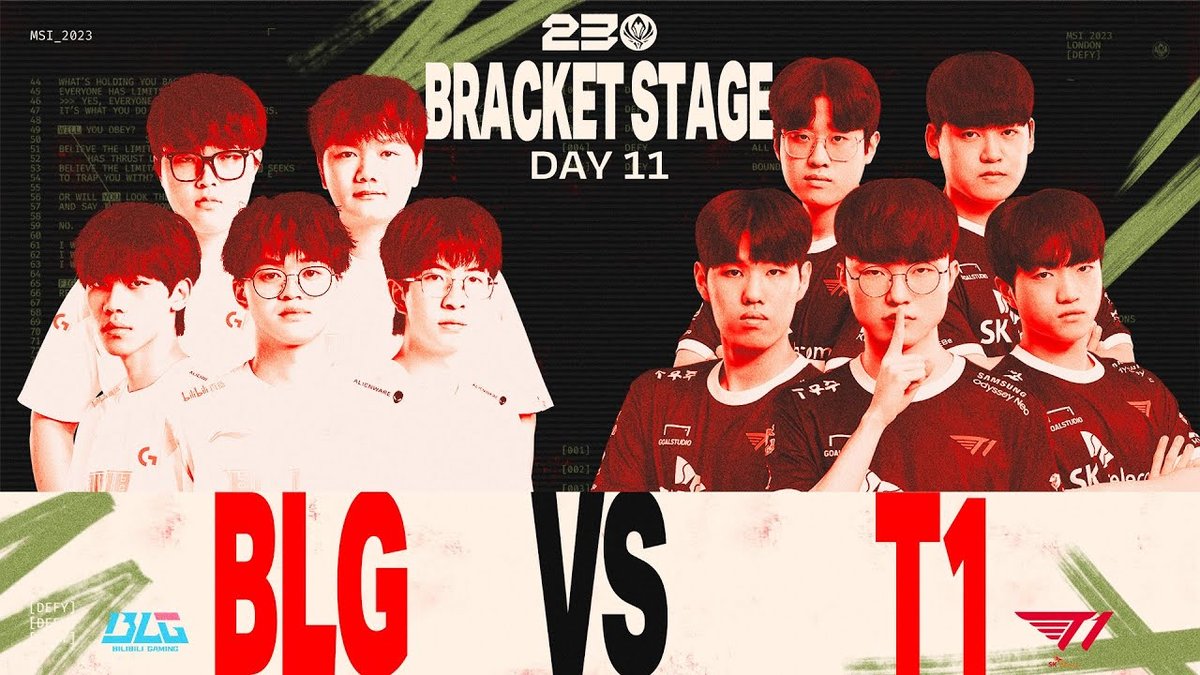
For the bigger picture and full context, make sure you read our main guide on T1 vs Bilibili Gaming: Who Won the Playoffs?.
Understanding the t1 vs blg stats reveals more than just the final score; it highlights the specific strategic advantages and individual performances that led to T1's victory. Analyzing these stats provides valuable insights for both aspiring players and ardent fans.
At a glance:
- Explore key statistical advantages T1 held over BLG.
- Understand how objective control and early game advantages influenced the outcome.
- Identify standout player performances based on KDA, CS, and damage output.
- Learn how to interpret key stats to predict team performance in future matches.
- Dispel common misconceptions about the importance of individual stats versus team strategy.
Decoding the Domination: Key Statistical Highlights
When dissecting the T1 vs BLG match, several statistical categories clearly tilted in T1’s favor, painting a picture of calculated dominance. It wasn’t just about individual skill; it was about superior strategy and execution, reflected in the numbers. Let's break down what elevated T1's performance.
1. Objective Control:
- Void Grubs: T1 secured all 6 Void Grubs, granting them early-game pushing power and gold advantage. This is critical because void grubs provide early pushing power, assisting with faster tower takedowns and map control early on.
- Plates: T1 secured 5 plates, matching BLG's total; however, the distribution matters. T1 focused plates on top and mid, enabling Zeus and Faker to gain lane dominance.
- Dragon Control: While not explicitly stated, the game's duration (28:25) suggests T1 likely prioritized dragons to secure soul point. Detailed objective timing is essential for crafting effective strategies.
2. Gold Advantage: - T1 ended the game with a 60.4k gold lead compared to BLG's 52.6k. This 7.8k gold difference, accumulated by leveraging early objective control and lane advantages, translated into superior item builds and team fight power.
3. KDA Disparity: - While kills aren't everything, the overall KDA (kills, deaths, assists) reflects teamfight effectiveness. T1 collectively had a more favorable KDA, indicating they were winning skirmishes and team fights more consistently.
- Specifically, Faker’s 6/2/2 KDA demonstrated high kill participation, while maintaining low deaths, and contributing meaningfully.
Player Performance Deep Dive: Key Individual Stats
Looking at t1 vs blg stats individually lets us pinpoint key contributors to T1's victory. While League of Legends is a team game, standout performances often swing the momentum.
- Faker (Mid): 6/2/2 KDA with 250 CS. Faker consistently applied pressure to Knight, restricting his ability to roam and influence other lanes.
- Gumayusi (ADC): 4/2/6 KDA with 296 CS. Gumayusi’s high CS count highlights his focused farming, which translated to significant damage output in teamfights.
- Oner (Jungle): 0/1/11 KDA. While boasting a low kda score, Oner's high assist count indicates successful ganks and effective support of his laners, facilitating their leads.
- Zeus (Top): 2/4/7 KDA with 255 CS. Zeus's performance, while not stellar, was sufficient to withstand Bin's pressure, allowing him to scale and contribute in later stages.
Contrast these with BLG's stats: - Knight (Mid): 3/2/2 KDA with 328 CS. Despite a good CS score, Knight was unable to translate his farm into meaningful advantages, likely due to Faker's pressure and superior team coordination from T1.
- Elk (ADC): 2/4/3 KDA with 250 CS. Elk's high death count, combined with a relatively low KDA, suggests that he was often caught out or unable to effectively position himself in teamfights.
The comparative stats show how T1's players performed more effectively within their team composition and overall strategy.
Strategic Implementation: How T1 Leveraged Stats for Victory
Numbers tell a story, but understanding the context is key. T1 didn't just get these stats; they engineered them. Here’s how:
- Early Game Emphasis: T1 heavily prioritized securing early advantages through Void Grub control. This demonstrates a deliberate strategic decision to gain early map control and snowball their lead.
- Lane Dominance: T1 focused on creating advantages in the top and mid lanes, allowing Zeus and Faker to exert pressure and control the pace of the game.
- Objective Prioritization: The game length, combined with the Void Grub control, suggests T1 strategically prioritized key objectives to maintain momentum and deny BLG opportunities to catch up.
Knowing these factors can help predict future matches and identify potential weaknesses in opponent strategies. As the Playoffs match: T1 prevailed, understanding how goes way beyond the final result.
Practical Playbook: From Stats to Strategy
Want to use this information to improve your own game or analysis? Try this:
- Review Replays: Watch the T1 vs BLG match replays and focus on decision-making around objective control and lane management.
- Compare Champion Pools: Analyze champion picks and bans to understand how T1 and BLG approached the meta and countered each other's strategies.
- Track Gold Efficiency: Calculate gold earned per minute for each player to identify who was most efficiently using their resources. This indicates players who effectively translate farm and objective control into income.
- Assess Vision Control: Evaluate ward placement and vision denial to understand how each team controlled information on the map. Effective vision control is critical for securing objectives and avoiding ganks.
By applying these steps, you can move from simply observing stats to actively using them for strategic advantage.
Common Questions & Misconceptions
Q: Do high kill counts always indicate a superior player?
A: Not necessarily. A high kill count can be misleading if a player also has a high death count, indicating risky plays or poor positioning. KDA (Kill/Death/Assist ratio) and damage output are more comprehensive indicators.
Q: How important is CS (Creep Score) compared to KDA?
A: Both are important, but in different ways. High CS indicates efficient farming and resource acquisition, translating to more gold and better items. KDA reflects teamfight effectiveness and participation in skirmishes. The relative importance depends on the role and game state. For example, an ADC typically needs high CS to scale into the late game, while a support might prioritize KDA through assists and vision control.
Q: Can stats alone predict the outcome of a match?
A: No. Stats provide valuable insights, but they don't account for factors like team synergy, player mentality, and adaptability during the game. League of Legends is a dynamic game, and unexpected events can significantly impact the outcome.
Q: Why is objective control so important?
A: Objective control (Void Grubs, Dragons, Towers) provides significant advantages, including gold, map control, and buffs. These advantages accumulate over time, making it increasingly difficult for the opposing team to catch up.
Actionable Close
Ultimately, understanding t1 vs blg stats isn't about memorizing numbers; it's about extracting strategic insights. By analyzing the data, observing gameplay, and considering contextual factors, you can gain a deeper understanding of what leads to victory in League of Legends. Use these insights to refine your approach, improve your decision-making, and elevate your game.