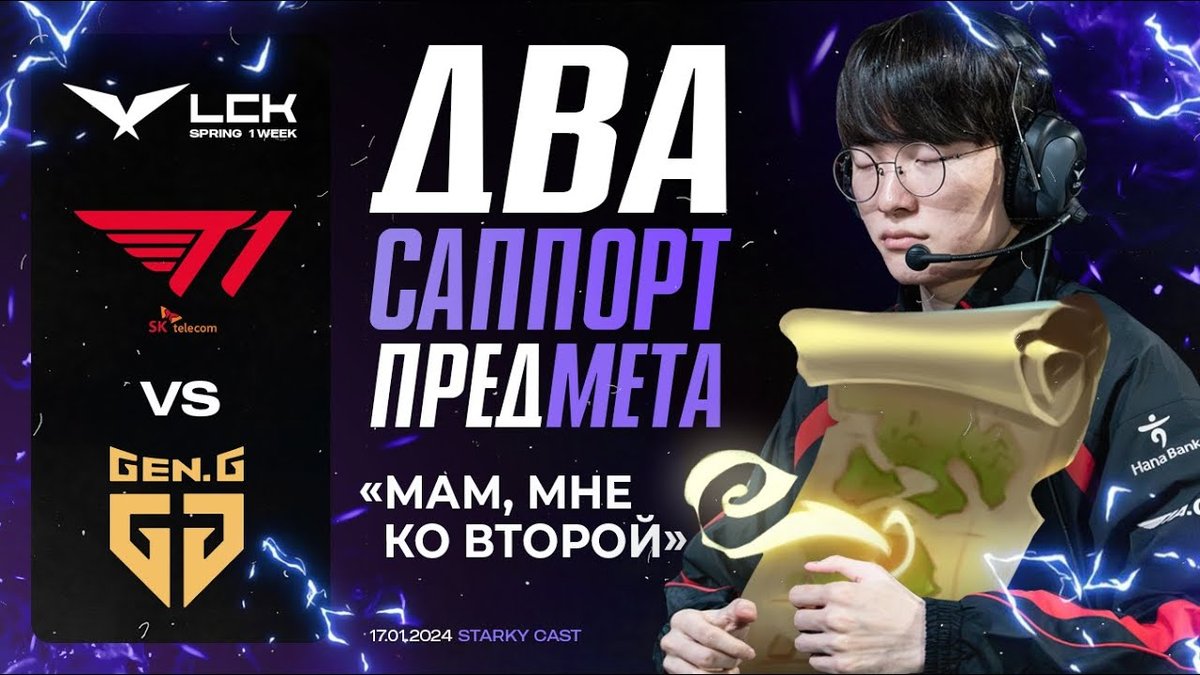
The series between T1 v GenG is more than just a match; it's a clash of titans, a battle of strategies, and a test of mental fortitude. Often, a single misstep can turn the tide. As seen in their recent playoff match, even when one team seems to have a firm grasp on the game, the other can capitalize on mistakes to snatch victory from the jaws of defeat.
At a glance:
- Understand the critical moments where GenG turned the tables on T1.
- Learn about the team compositions and player roles that influenced the game.
- Identify the key strategic elements that led to GenG's comeback.
- Examine the individual plays and misplays that shaped the outcome.
- Assess the implications of this victory for both teams' World Championship seeding.
The Stakes Are High: More Than Just a Game
The matches between GenG and T1 are always highly anticipated. Beyond the immediate LCK Playoffs implications, these games carry significant weight for World Championship seeding. Both teams boast a legacy of dominance, and their encounters write new chapters in their storied rivalry. The pressure is immense, and every decision matters. As the pillar article, GenG wins opening playoff game, highlights, the smallest of errors can have massive repurcussions on the overall outcome.
Composition and Early Game: Setting the Stage
GenG often favors team compositions with multiple melee champions, aiming for a balance of sustained damage and frontline presence. In this particular game, Ruler served as the primary damage dealer, while Kiin on Camille posed a potential threat if allowed to scale into the late game. T1 often prefers to play a more poke-heavy composition, focusing on picks and utilizing their mage for zoning.
Key Takeaway: Team compositions dictate early strategies. GenG wants to group and skirmish; T1 wants to poke and pick.
Early Game Standoff
During the initial phases, neither team secured a substantial gold advantage. Both teams cautiously traded resources and focused on securing objectives. Vision control became paramount, as each team attempted to anticipate the other's movements.
Why This Matters: The early game is about information gathering and setting up favorable conditions for mid-game skirmishes.
The First Crack: T1's Early Dominance
The first major team fight was where T1 initially broke the game open. Capitalizing on superior positioning and coordinated attacks, they secured four crucial kills. This allowed them to snowball their advantage, accumulating a 2k gold lead and controlling vital map objectives.
The Lesson: Early team fight wins can translate to significant gold and objective advantages, but overextending can be fatal.
Mid-Game Maneuvering: GenG's Calculated Response
As T1 pressed their advantage, GenG began to execute a calculated response, focusing on map movements and creating opportunities for counter-plays.
Objective Control: The Drake Gamble
GenG masterfully pulled T1 around the map, allowing Kiin to sneak away with a crucial Drake. This delayed T1's objective control and bought GenG valuable time to regroup and re-strategize.
Pitfall Warning: Don't blindly chase objectives if it means sacrificing map control or leaving vulnerable flanks.
Sideline Pressure: Catching Doran
GenG managed to catch Doran in the sideline, netting a crucial shutdown gold reward for Kiin. This influx of gold significantly accelerated Kiin's scaling and made him a greater threat in team fights.
Example: Imagine Doran is pushing a wave deep without vision, and GenG's roams catch him off guard.
The Turning Point: Faker's Teleport Misplay
With Baron secured by T1, the game appeared to be slipping from GenG's grasp. However, a critical misstep by Faker shifted the momentum entirely.
The Bot Lane Collapse
Faker's teleport to the mid-lane Tier 1 tower triggered a swift collapse by GenG. Although the ensuing fight was chaotic, GenG successfully eliminated most of T1's Baron buff and secured additional shutdown gold. This effectively evened the playing field, setting the stage for a dramatic late-game showdown.
Actionable Advice: Always assess the risks and rewards of a teleport, and ensure adequate vision coverage before committing.
Ruler's Masterclass
During a crucial engagement as T1 pushed for the bot lane Tier 2 tower, Faker missed his Shockwave on Ruler, this triggered a domino effect which allowed Duro to capitalize. The lead GenG built from the ensuing fight was ultimately decisive, paving the way for their victory.
Why This Matters: Every ability cast and every auto-attack is vital in a close game.
Analyzing the Comeback: Key Factors
GenG's comeback wasn't solely due to T1's mistakes. It was a result of calculated decisions, precise execution, and a refusal to yield under pressure.
- Map Awareness: GenG's ability to anticipate T1's movements and capitalize on positional errors was crucial.
- Objective Prioritization: GenG understood when to contest objectives and when to concede them, preventing T1 from snowballing out of control.
- Individual Mechanics: Key plays by Ruler, Kiin, and other members of GenG demonstrated exceptional mechanical skill and game sense.
- Mental Fortitude: Despite facing a significant gold deficit, GenG maintained composure and capitalized on opportunities as they arose.
Practical Playbook: Lessons from T1 v GenG
How can you apply the lessons from this match to your own gameplay?
- Vision is Paramount: Invest in wards, track enemy movements, and deny vision to create opportunities for your team.
- Objective Control: Prioritize objectives based on their strategic value, and be prepared to make calculated risks.
- Team Fight Positioning: Maintain proper positioning in team fights, protect your carries, and focus fire on high-priority targets.
- Capitalize on Mistakes: Be vigilant for enemy misplays, and seize opportunities to punish their errors.
- Stay Calm: Maintain composure under pressure, and avoid tilting or making rash decisions.
Quick Answers: Common Questions About T1 v GenG
Q: Why is the T1 v GenG rivalry so intense?
A: Both teams have a long history of success and have consistently battled for LCK dominance. Their matches are always high-stakes, and their fanbases are fiercely loyal.
Q: What could T1 have done differently to secure the win?
A: Better vision control around key objectives, more disciplined positioning in team fights, and avoiding overextension could have altered the outcome.
Q: How does this result impact both teams' chances at Worlds?
A: The victory improves GenG's seeding and momentum, while T1 needs to rebound quickly to secure a favorable position for the World Championship.
Q: What champions are typically banned when T1 and GenG play against each other?
A: Champions that can single-handedly carry games, such as Azir, or mobile assassins like Akali, are often high priority bans.
Actionable Close
The t1 v geng matchup stands as a testament to the dynamic nature of competitive League of Legends. Identifying turning points, understanding team compositions, and capitalizing on opponent errors are paramount to success. Apply these lessons in your next game, and you'll be well on your way to achieving your competitive goals. Focus on vision control, objective prioritization, and team fight positioning, and be ready to capitalize on any mistakes your opponents make.