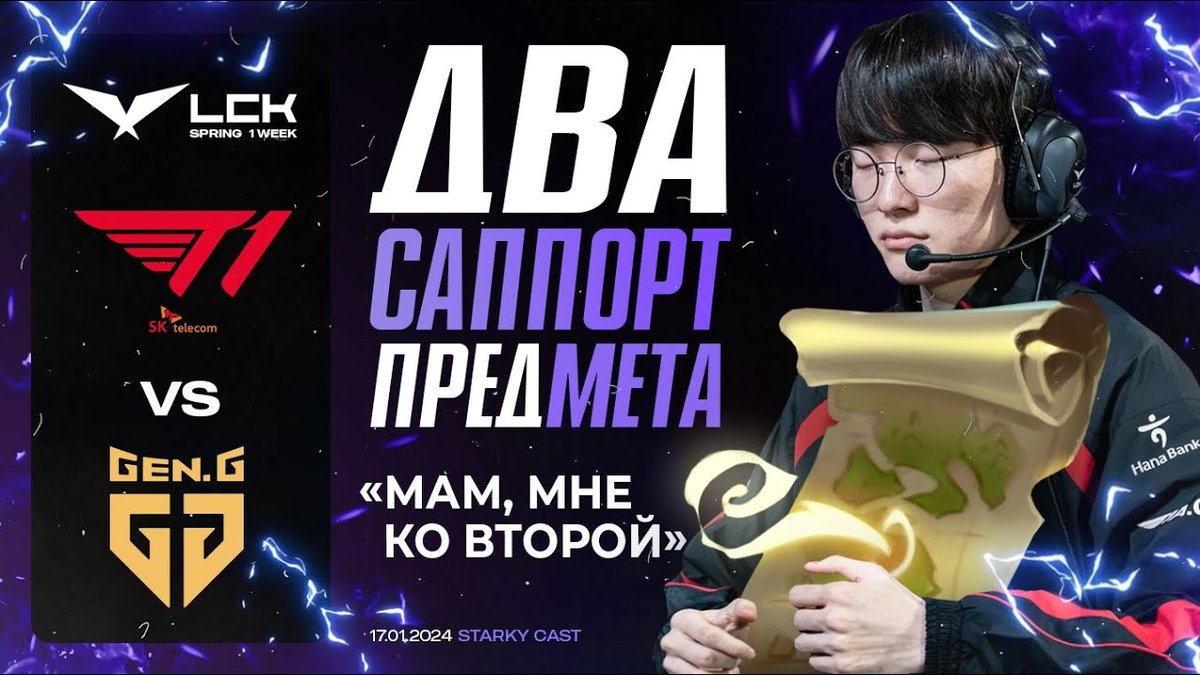
The clash between Gen.G and T1 in League of Legends isn't just another match; it's a modern-day legend in the making. Understanding the full weight of the current standings requires a dive deep into geng vs t1 history, a saga filled with upsets, dominance, and legendary player performances.
At a glance:
- Uncover the key moments that defined the Gen.G vs T1 rivalry.
- Understand the strategic shifts and meta adaptations that shaped the head-to-head matchups.
- Learn how player matchups and team compositions historically influenced the outcome of games.
- Identify the psychological factors and mind games at play during these high-stakes battles.
- Anticipate future trends in this ongoing clash of titans.
The Foundations of a Fierce Feud
The rivalry between Gen.G (and its previous iterations as Samsung Galaxy and KSV Esports) and T1 (formerly SK Telecom T1) runs deep. Initially, T1, spearheaded by the legendary Faker, held a period of unquestionable dominance. Gen.G, however, consistently challenged their throne, slowly building a legacy of their own. This dynamic created a compelling narrative: the established dynasty versus the ambitious challenger.
Let's be clear: This isn't just about wins and losses. It's about iconic moments, strategic innovations, and the relentless pursuit of greatness exemplified by both organizations.
Key Eras and Defining Moments
The geng vs t1 history can be segmented into eras, each marked by distinct team compositions, meta-game shifts, and pivotal matches.
- T1's Reign (Early to Mid 2010s): Dominated by Faker and Bengi, SKT T1 (now T1) were virtually untouchable. Their macro play and individual skill were unmatched, making victories against them rare and highly celebrated.
- Gen.G's Rise (Late 2010s): Under the Samsung Galaxy banner, and later Gen.G, the organization started challenging T1's dominance by focusing on a more calculated and strategic style, often prioritizing late-game scaling and objective control. The 2017 World Championship victory by Samsung Galaxy over SKT T1 was a watershed moment.
- The Shifting Tides (2020s): This era is characterized by back-and-forth victories, roster changes, and constant adaptation to the evolving meta. This is where the rivalry truly intensified, with each match carrying significant weight in both LCK and international tournaments.
Strategic Chess Match: Playstyles and Adaptations
The geng vs t1 history is also a story of strategic evolution.
- T1's Aggressive Style: Historically, T1 favors a proactive and aggressive playstyle, focusing on early-game skirmishes and snowballing advantages. Their mid-jungle synergy, often revolving around Faker, is crucial.
- Gen.G's Calculated Approach: Gen.G typically adopts a more methodical and controlled approach, emphasizing strategic rotations, vision control, and capitalizing on opponent mistakes. Their ability to play the map and secure objectives consistently makes them a formidable opponent.
The constant adjustments each team makes to counter the other is a central theme, involving:
- Drafting Phase: Analyzing opponent champion pools and pick tendencies to gain an advantage.
- Early Game Focus: Identifying and exploiting weaknesses in lane matchups.
- Mid-Late Game Rotations: Executing coordinated team movements to secure objectives and control the map.
Player Matchups That Define the Rivalry
Certain player matchups in the geng vs t1 history have become legendary.
- Faker vs. Chovy (or other Gen.G Mid Laners): The mid lane matchup is always a focal point. Faker's legendary status and aggressive playstyle clash with the calculated precision of Gen.G's mid laners, creating intense battles for lane dominance and map control. Think of it as the veteran gunslinger facing the young prodigy.
- Jungle Matchups: The jungle matchup often dictates the pace of the game. Clashes between Gen.G's and T1's junglers determine which team gains early map control and influences lane outcomes.
- AD Carry Duels: The bottom lane AD carry matchup often becomes a crucial carry condition for winning teamfights, putting focus on mechanics and positioning.
These head-to-head battles often dictate the outcome of games, requiring players to showcase not only mechanical skill but also strategic awareness and mental fortitude.
The Psychological Edge: Mind Games and Pressure
Beyond strategy and skill, the geng vs t1 history is filled with psychological warfare. The pressure of playing in such a high-profile rivalry can significantly impact player performance.
- Drafting Mind Games: Teams often use unconventional picks or bans to throw off their opponents and gain a psychological advantage.
- In-Game Taunts and BM (Bad Manners): While professionalism is maintained, subtle taunts and in-game gestures can be used to tilt opponents and disrupt their focus.
- Fan Expectations: The immense pressure from fans can either fuel a team's performance or lead to costly mistakes.
For example, a well-timed Baron steal or a surprising lane gank can completely shift the momentum of a game and psychologically demoralize the opposing team.
Case Study: Analyzing a Recent Showdown
Let's dissect a recent Gen.G vs T1 match (referencing the events that lead to, and the information available in, GenG wins first playoff game).
Scenario: LCK 2025 Playoffs.
Gen.G's Strategy: Focused on a strong early-game jungle presence with Canyon, enabling Chovy to gain lane dominance and apply map pressure. They prioritized securing early dragons and controlling vision around key objectives.
T1's Strategy: Aimed to counter Gen.G's early aggression by focusing on strong counter-ganks and utilizing Faker's roaming potential to assist other lanes. They looked for opportunities to punish Gen.G's overextensions and capitalize on team fight advantages.
Key Moments:
- Early Game Control: Canyon's early ganks in the mid lane gave Chovy a significant advantage, allowing him to roam and assist other lanes.
- Objective Control: Gen.G secured the first three dragons, putting them in a strong position to secure the Dragon Soul.
- Team Fight Dominance: T1's coordinated team fights and Faker's clutch plays allowed them to win key engagements and stall Gen.G's momentum.
- Late Game Decision Making: Gen.G's superior vision control and strategic rotations allowed them to secure Baron Nashor and close out the game.
Takeaway: This match showcased Gen.G's ability to execute their game plan effectively, capitalizing on early advantages and maintaining control throughout the game. T1's resilience and team fighting prowess kept them in the game, but ultimately, Gen.G's superior macro play proved to be the deciding factor.
Practical Playbook: Tips for Analyzing Gen.G vs T1 Matches
Want to understand the Gen.G vs T1 rivalry better? Here’s a quick guide.
- Review Draft Compositions: Analyze champion picks and bans to understand each team's intended strategy and counter-picks.
- Track Early Game Movements: Pay close attention to jungle pathing, lane ganks, and early objective control.
- Observe Vision Control: Monitor ward placements and vision scores to understand which team has better map awareness.
- Analyze Team Fight Engagements: Evaluate positioning, target prioritization, and ability usage in team fights.
- Assess Late Game Decision Making: Observe rotations, objective control, and Baron Nashor attempts to understand which team is making smarter decisions.
Quick Start: How to Analyze a VOD:
- Minute 0-15: Focus on laning phase, jungle pathing, and first blood.
- Minute 15-30: Observe objective control (dragons, Rift Herald), tower pushes, and mid-game rotations.
- Minute 30+: Analyze Baron Nashor attempts, team fight engagements, and base sieges.
Quick Answers: Common Questions About the Rivalry
- Q: Who has the overall edge in the geng vs t1 history?
A: Historically, T1 held a slight edge. However, in recent years, Gen.G has been closing the gap, making the rivalry more competitive. Head-to-head records fluctuate with roster changes and meta shifts. - Q: What makes this rivalry so special?
A: Beyond the high skill level, it's the clash of playstyles and the historical context that make this rivalry so captivating. The continuous adaptation and strategic innovation from both teams create a compelling narrative that resonates with fans. - Q: How do roster changes impact the rivalry?
A: Roster changes can significantly impact team dynamics and strategic approaches, leading to shifts in the balance of power between the two teams. New players can bring fresh perspectives and skill sets, altering the established dynamics of the rivalry. - Q: What role does coaching play in the geng vs t1 history?
A: Coaching is crucial in shaping team strategies, player development, and overall performance. Coaches analyze opponent tendencies, develop counter-strategies, and provide guidance to players on how to improve their gameplay. The coaching staff plays a vital role in preparing teams for the high-stakes battles in this rivalry.
Actionable Close
The geng vs t1 history is a continuous narrative with no clear end in sight. Understanding the nuances of this rivalry – the strategic shifts, key player matchups, and psychological factors – provides valuable insight into what makes competitive League of Legends so compelling. By analyzing past matches and applying the principles discussed, you can gain a deeper appreciation for the strategic depth and intense competition that defines this epic clash. Now, go watch some replays and see what you can find!