Okay, here's a detailed cluster article focusing on Disguised Toast's reasons for stepping away from Valorant Game Changers, written to be helpful, expert, and highly readable.
markdown
For fans following the rise of Disguised Toast (DSG) in esports, the news that he wouldn't be fielding a Valorant Game Changers team in 2024 came as a surprise. But the decision, while impactful, wasn't made lightly. Toast cited conversations with Riot Games and the overall state of the Game Changers circuit as key factors in his choice. This article dives into the specifics of his reasoning.
At a glance:
- Understand why Disguised Toast decided to pull back from Valorant Game Changers.
- Learn about the challenges and opportunities Toast saw in the Game Changers circuit.
- Discover the key factors that influenced his decision, including the impact of cheating incidents.
- Consider the broader implications for investment in the Valorant Game Changers scene.
- Get actionable insight into assessing esports investment viability.
The Dream and the Disappointments: DSG's Game Changers Journey
DSG's foray into Valorant Game Changers wasn't without its highlights, but it also faced significant hurdles. Toast's initial attempt involved a roster of popular female streamers, but while viewership was strong, competitive results lagged. He later assembled a team of more seasoned players, including Game Changers pros Hannah "hannah" Reyes and katarina, with the goal of reaching the main event. While the team showed promise, consistency proved elusive.
One particularly damaging incident involved a team in GC3 using a player with cheats. This event, combined with other factors, played a key role in Toast's assessment of the scene's viability for DSG.
"Not Quite There Yet": DSG Toast's Conversation with Riot
The turning point appears to have been conversations between Disguised Toast and Riot Games following the cheating incident. According to Toast, these talks left him with the impression that, at least for 2024, the Game Changers circuit wasn't quite ready for substantial investment from organizations like DSG. This is a crucial point: it wasn't necessarily a blanket condemnation of the scene, but rather a pragmatic assessment of its current state.
"Through our conversations with Riot after it happened I personally left with the impression that at least for 2024, GC is not quite there yet," Toast stated on stream.
Weighing the Costs and Benefits: Is Game Changers Investment Worth It?
Toast's decision boiled down to a risk-reward analysis. While he acknowledged the positive impact DSG had on the Game Changers scene, he ultimately felt that the potential returns didn't justify the necessary time and effort. This isn't just about money; it's about the holistic resources required to support an esports team, including coaching, management, and infrastructure.
Factors influencing Toast's ROI calculation:
- Competitive landscape: The presence of cheating undermined the integrity of the competition and eroded confidence.
- Riot's support: Toast felt that Riot's level of support for the Game Changers circuit wasn't yet sufficient to warrant significant investment.
- Financial considerations: Esports organizations operate on tight margins, and every investment decision must be carefully considered.
The Cheating Incident: A Crushing Blow to Competitive Integrity
The cheating incident in GC3 was undoubtedly a major factor in Toast's decision. It not only impacted DSG's performance but also raised serious questions about the overall integrity of the Game Changers circuit. Such incidents can have a chilling effect on investment, as they undermine the credibility of the competition and discourage potential sponsors.
Here's why cheating incidents are so damaging:
- They create an uneven playing field: Cheating gives an unfair advantage to some teams, making it difficult for others to compete fairly.
- They erode trust: When cheating occurs, it undermines confidence in the entire competitive ecosystem.
- They discourage investment: Potential sponsors and investors are less likely to support a scene that is perceived as being corrupt.
Why DSG Valorant's Team Split While the Game Changers disbandment surprised some fans, it's important to understand the broader context of DSG's esports ventures and the challenges facing the Valorant scene.
From Challengers to Game Changers: DSG's Broader Valorant Ambitions
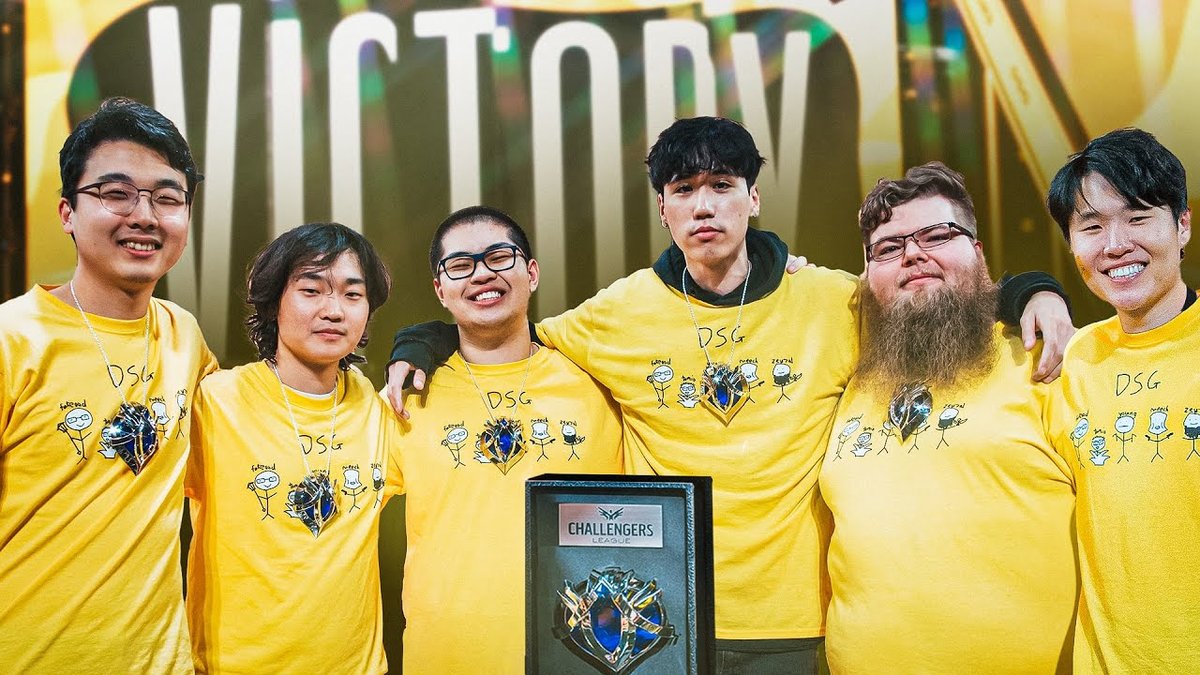
DSG's involvement in Valorant extends beyond Game Changers. Toast also fielded a team in the NA Challengers League, demonstrating a commitment to the broader Valorant ecosystem. However, that team also faced its fair share of struggles, highlighting the inherent challenges of competing in a highly competitive esports landscape.
DSG Challengers Roster:
- Jaccob “yay” Whiteaker
- Joseph “clear” Allen
- Amgalan “Genghsta” Nemekhbayar
- Michael “nerve” Yerrow
What This Means for the Future of Valorant Game Changers
DSG's departure from Valorant Game Changers raises important questions about the future of the circuit. While one organization's decision doesn't necessarily spell doom, it does serve as a reminder that sustained investment requires a healthy and thriving competitive ecosystem.
Potential implications:
- Increased scrutiny: Riot Games may face increased pressure to address concerns about competitive integrity and support for the Game Changers circuit.
- Shifting investment: Other organizations may re-evaluate their own investment strategies in light of DSG's decision.
- Focus on grassroots development: There may be a greater emphasis on grassroots initiatives to nurture talent and build a stronger foundation for the Game Changers scene.
Assessing Esports Investment: A Practical Playbook
Toast's experience provides valuable lessons for anyone considering investing in esports. Here's a practical framework for evaluating potential opportunities:
- Assess the competitive landscape: Is the scene healthy and competitive? Are there mechanisms in place to prevent cheating and ensure fair play?
- Evaluate the level of support from the game developer: Is the developer actively involved in supporting the scene through tournaments, leagues, and other initiatives?
- Analyze the potential return on investment: What are the potential revenue streams? What are the costs associated with fielding a team?
- Consider the risks: What are the potential downsides? What could go wrong?
- Develop a clear strategy: What are your goals for investing in esports? How will you measure success?
Example: Imagine you're considering investing in a Tier 3 CS2 team. Apply the framework:
- Landscape: Research the specific Tier 3 scene. Are tournaments well-organized? Are there anti-cheat measures?
- Developer Support: How does Valve support Tier 3 CS2? Do they offer funding or pathways to higher leagues?
- ROI: Estimate potential earnings from tournament winnings, sponsorships, and merchandise sales. Factor in player salaries, travel, and coaching costs.
- Risks: Team performance fluctuations, player burnout, and the potential for roster changes.
- Strategy: Define your goals. Is it brand awareness, player development, or direct financial return?
Quick Answers: Common Questions About DSG and Game Changers
Q: Did DSG lose money on its Game Changers team?
A: While specific financial details haven't been publicly disclosed, it's reasonable to assume that DSG's Game Changers team wasn't a major profit center. Esports organizations often rely on a combination of revenue streams, including sponsorships, merchandise sales, and tournament winnings.
Q: Is Valorant Game Changers dying?
A: No, it's not dying. The Game Changers series is still an ongoing Riot-sponsored event, and the scene continues to have strong talent. DSG's decision shouldn't be interpreted as a death knell but rather as a sign that the scene still faces challenges.
Q: Will DSG ever return to Valorant Game Changers?
A: Toast hasn't ruled out a return in the future, but it would likely depend on significant improvements to the competitive landscape and increased support from Riot Games.
Q: What can Riot do to improve Valorant Game Changers?
A: Several potential improvements could be made, including:
- Enhanced anti-cheat measures: Strengthening anti-cheat systems to prevent cheating and ensure fair play.
- Increased financial support: Providing more funding for teams and tournaments to incentivize participation and investment.
- Improved marketing and promotion: Raising awareness of the Game Changers circuit and its players to attract more viewers and sponsors.
- Clearer pathways to professional play: Creating more opportunities for Game Changers players to advance to higher levels of competition.
Key Takeaways: Don't Jump Without Looking
DSG Toast's decision to step away from Valorant Game Changers underscores the complexities of investing in esports. It's not enough to simply throw money at a team and hope for the best. A successful esports venture requires careful planning, a thorough understanding of the competitive landscape, and a realistic assessment of the potential risks and rewards. Like any investment, esports requires due diligence.