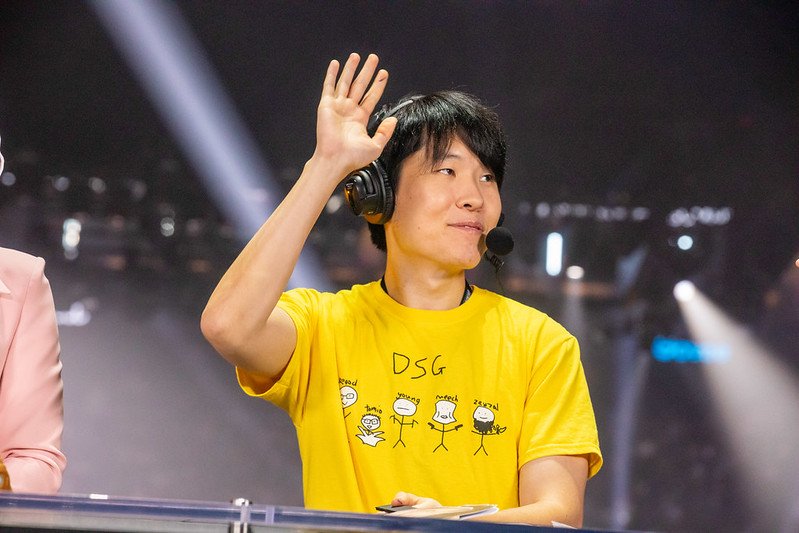
The sudden departure of Disguised (DSG) from the Valorant Challengers SEA raises a critical question for fans of the organization: could a dsg lcs team ever be a reality? While their exit from Valorant stems from streaming restrictions imposed by Riot's partnership with SOOP, it highlights broader challenges organizations face when balancing competitive aspirations with content creation.
At a glance:
- DSG's Valorant exit doesn't automatically pave the way for a dsg lcs team—different games, different ecosystems.
- Streaming exclusivity deals are a growing concern for content-driven esports organizations.
- Building a sustainable esports model requires careful consideration of revenue streams beyond tournament winnings.
- League of Legends franchise spots are expensive and competitive, presenting a major hurdle.
- Evaluating if other tier 2 orgs can step in to fill the void in the APAC Valorant/League landscape.
The Streaming Stranglehold: Why DSG Left Valorant
The core reason for DSG's withdrawal from Valorant Challengers SEA boils down to streaming. Riot's exclusivity deal with SOOP prevents co-streaming on platforms like Twitch and YouTube, which are crucial for DSG's content-driven brand. DisguisedToast, the owner, made it clear: the team couldn't sustain itself without the revenue generated from streaming their games. This wasn't a matter of preference; it was a financial necessity. Toast shared that despite them initially wanting to retain their MY/SG roster for the 2025 season, the SOOP deal made it untenable. This is especially poignant considering the team's success, including victories at Predator League Singapore and OneGame Showdown.
Assessing the LCS Landscape: Different Game, Different Rules
The dsg lcs, while a popular idea among fans, faces dramatically different challenges compared to a Valorant team. The League of Legends Championship Series (LCS) operates under a franchise model, meaning teams must purchase a permanent spot in the league. These spots are incredibly expensive, often costing millions of dollars. Furthermore, the LCS is highly competitive, both in terms of gameplay and securing sponsorships.
The Franchise Fee Hurdle: A Major Barrier to Entry
Unlike the open ecosystem of Valorant Challengers, entering the LCS requires significant capital investment. Existing LCS teams are unlikely to sell their spots unless faced with severe financial difficulties. This creates a high barrier to entry for new organizations, even those with established fan bases like DSG. Securing an LCS spot isn't just about having the money; it's about convincing Riot Games that the organization is a stable and valuable addition to the league.
Content Creation in the LCS: A Balancing Act
While streaming restrictions played a crucial role in DSG's Valorant exit, the LCS presents its own content challenges. LCS teams are expected to create content to engage with fans and attract sponsors, but the focus is often on professionally produced content rather than individual streamer personalities. This can be a different dynamic for an organization like DSG, which built its brand on the back of DisguisedToast's streaming presence.
What’s Next for DSG: Focusing on Content & Other Esports?
DSG's future in esports remains uncertain, but it's clear that the organization is committed to content creation. They previously fielded players in Tekken 8 through a partnership with Chipotle, showing their willingness to explore other esports titles. And with the recent debut in the Americas' tier-one League of Legends competition, the 2025 LTA season, it seems that their focus has shifted. While a dsg lcs team seems unlikely in the short term, DSG could potentially explore other esports opportunities that align better with its content-driven strategy and financial constraints.
If you want to learn more about DSG's recent Valorant departure, you can find more information here: DSG Valorant future uncertain.
The Future of the Former DSG Valorant Roster
Despite the disbandment, the former DSG Valorant roster is sticking together. Captain STYRON confirmed their intention to compete in Valorant Challengers SEA Split 1 while searching for a new organization. This is a testament to the team's dedication and potential. The prospect of seeing this roster under a new banner offers a glimmer of hope for fans who followed their journey.
Here's the roster to watch for:
- 🇸🇬 Tidus “STYRON” Goh
- 🇸🇬 Rodman “Vera” Yap
- 🇸🇬 Wayne “wayne” Chang
- 🇻🇳 Ngô “crazyguy” Công Anh
- 🇵🇭 John “JA” Arone
Quick Answers: Common Questions About DSG and the LCS
- Could DSG buy an existing LCS team? It's possible, but unlikely. LCS spots are expensive and rarely become available. DSG would need significant investment and Riot's approval.
- Is streaming the only way DSG makes money? No, sponsorships and merchandise sales also contribute to revenue. However, streaming is a crucial component for a content-driven organization like DSG.
- Will DisguisedToast ever compete in the LCS himself? While DisguisedToast is a popular streamer, he's not a professional League of Legends player. It's highly unlikely he would compete in the LCS.
- Could DSG invest in a different region's LCS? Possibly. Riot Games oversees multiple regional LCS leagues. Investing in a smaller region with lower franchise costs could be an option, but it would require careful consideration of market potential.
Actionable Takeaways: What This Means for Esports Fans and Orgs
Here's a quick guide for both fans and organizations following this situation:
For fans:
- Support the former DSG Valorant roster: Follow their individual streams and social media to stay updated on their search for a new organization.
- Advocate for less restrictive streaming policies: Voice your concerns to Riot Games and other esports organizations about the impact of exclusivity deals on content creators.
- Look for alternative viewing options: Explore co-streams and community broadcasts that may emerge despite the official restrictions.
For organizations: - Diversify revenue streams: Don't rely solely on tournament winnings or streaming revenue. Explore sponsorships, merchandise sales, and other innovative monetization strategies.
- Negotiate favorable streaming deals: Carefully review the terms of any streaming partnerships to ensure they align with your content creation goals.
- Advocate for fair competition: Support efforts to create a level playing field for all esports organizations, regardless of their size or resources.
- Consider other Challenger leagues or regions: Explore opportunities in different games of different regions.
- Don't put all your eggs in one basket: The team's decision to compete underscores the importance of fostering independent talent and building a resilient ecosystem.
The DSG Valorant story serves as a cautionary tale about the challenges of balancing competitive aspirations with content creation in the modern esports landscape. While a dsg lcs team may not be in the cards right now, the organization's future remains open, and the lessons learned from their Valorant experience will undoubtedly shape their future decisions.