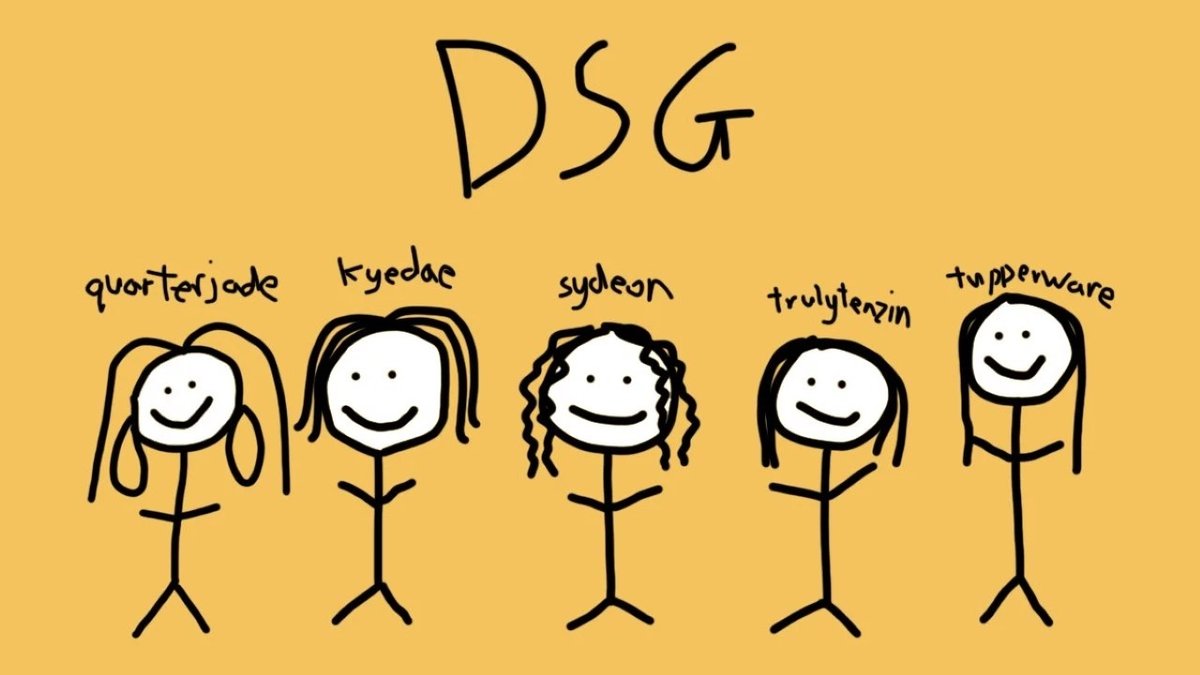
The dream of seeing Disguised Toast hoist a Valorant trophy seems to be fading, as recent events point toward Jeremy "Disguised Toast" Wang potentially stepping away from the competitive scene, at least for now. The organization's time in the game was marked by high hopes and significant struggles, culminating in the disbandment of its most recent Challengers roster.
At a glance:
- Understand the reasons behind Disguised Toast's potential exit from Valorant esports.
- Examine the performance of the Disguised Toast Valorant team and its various iterations.
- Explore the challenges faced by content creators entering the competitive esports landscape.
- Learn key takeaways for aspiring esports team owners related to team management and community expectations.
- Gain insights into Disguised Toast's future plans in esports and content creation.
The Dream and The Disappointments: A Timeline of Disguised Toast 's Valorant Endeavors
Disguised Toast, known for his engaging content and large following, ventured into the world of Valorant esports with ambitious goals. He wasn't just looking to field a team; he wanted to create a competitive force that resonated with his audience. However, the path proved to be more challenging than anticipated.
- Initial Enthusiasm: Disguised Toast expressed interest in forming a Valorant team in late 2022, seeking out talented and unsigned professional players.
- Challengers League Qualification: The Disguised (DSG) Valorant team achieved an early success by qualifying for the North American Valorant Challengers League, the tier-two league of the Valorant Championship Tour (VCT). This initial qualification sparked excitement and optimism.
- Roster Changes and Struggles: Throughout their Challengers journey, the team faced numerous roster changes aimed at improving performance. Despite these changes, including the addition of high profile player "yay," consistent success remained elusive.
- Game Changers Initiative: Disguised Toast also invested in a Game Changers team, composed of popular female Valorant streamers. Unfortunately, this team also struggled to achieve notable results.
- Relegation and Re-evaluation: After a disappointing performance in the Challengers League, including a loss in the relegation bracket against OREsports and MAD Lions, Disguised Toast announced the release of his players and coach. This decision was accompanied by a statement hinting at a re-evaluation of DSG's future in Valorant.
Key Challenges Faced by Disguised Toast
Disguised Toast's experience highlights the complexities of managing an esports team, particularly for content creators entering the competitive scene. Here are some key challenges:
- Bridging the Gap Between Content and Competition: Balancing the demands of content creation with the requirements of competitive esports can be difficult. The time and resources needed to build and manage a successful esports team might conflict with content creation schedules and priorities.
- Navigating a Competitive Ecosystem: The Valorant esports scene is fiercely competitive, with established organizations and highly skilled players. New teams, even those backed by popular figures, face an uphill battle to compete at the highest levels.
- Managing Expectations: When a team is owned by a well-known content creator, there is often increased scrutiny from fans and the community. Meeting these expectations while managing the inevitable ups and downs of competition can be challenging. Consider Cloud9's early struggles in League of Legends, despite their established brand in other esports.
- Roster Stability: Frequent roster changes, while sometimes necessary, can disrupt team synergy and hinder long-term development. Finding the right balance between player acquisition and team cohesion is crucial.
- Streaming Restrictions: As highlighted in the pillar article, streaming restrictions played a large role in the ultimate disbandment of the team. The inability to co-stream matches diminished the value of owning the team for Disguised Toast. Here are a few options, focusing on different aspects of the story: * DSG Shuts Down Valorant Roster * Why DSG Valorant Disbanded * Streaming Killed DSG Valorant * DSG Ditches Valorant: The Story * Valorant Team Ends Over Streaming The lack of streaming capabilities hindered the marketing and engagement opportunities that initially motivated the team's formation.
- Financial Sustainability: Running an esports team involves significant costs, including player salaries, coaching staff, travel expenses, and infrastructure. Securing sufficient funding and managing expenses effectively is vital for long-term sustainability.
Lessons Learned: A Playbook for Aspiring Esports Team Owners
Disguised Toast's Valorant journey provides valuable lessons for aspiring esports team owners, particularly those coming from content creation backgrounds.
- Realistic Expectations: Understand the challenges and competitiveness of the esports landscape. Success requires more than just financial investment; it demands strategic planning, effective management, and a long-term commitment.
Example: Don't expect immediate victories. Focus on building a solid foundation and gradually improving performance. - Strategic Roster Building: Prioritize team chemistry and synergy over individual star power. Look for players who complement each other's strengths and are willing to work together.
Example: Before acquiring a high-profile player, assess how their playstyle and personality will fit into the existing team dynamic. - Experienced Management: Hire experienced esports professionals to handle team operations, coaching, and player development. Delegate tasks effectively and trust their expertise.
Example: A seasoned coach can provide valuable guidance on team strategy, player improvement, and competitive analysis. - Community Engagement: Actively engage with fans and build a strong community around the team. Provide regular updates, behind-the-scenes content, and opportunities for interaction. Be transparent about the team’s performance and challenges. However, remember expectations can be high.
Example: Host online Q&A sessions with players and coaches to answer fan questions and build a stronger connection. - Financial Planning: Develop a comprehensive financial plan that includes revenue projections, expense budgets, and contingency plans. Secure diversified funding sources, such as sponsorships, merchandise sales, and tournament winnings.
Example: Explore potential sponsorship opportunities with brands that align with the team's values and target audience. - Understand League Rules and Restrictions: Carefully examine all rules and restrictions set by the game developer or league operator. Consider the impact of restrictions on the team's ability to generate revenue and engage with fans.
Example: Carefully review the streaming rules for any league the team participates in to avoid potential conflicts.
Could it have been different? Alternative Paths for DSG Valorant.
While the exact circumstances leading to the disbandment are unique to Disguised Toast and his organization, several alternative approaches might have shifted the outcome.
- Early Focus on Team Development: Instead of chasing immediate results with high-profile signings, prioritize developing a young, hungry roster with long-term potential.
- Prioritize Open Communication: Establish clear communication channels between ownership, management, players, and fans. Transparency can help manage expectations and build trust.
- Diversify Content Creation: Expand content beyond gameplay highlights and tournament coverage. Create engaging content that showcases player personalities, team dynamics, and the behind-the-scenes aspects of running an esports team.
Quick Answers: Common Questions & Misconceptions
Q: Was Disguised Toast solely responsible for the team's struggles?
A: No. While Disguised Toast provided the resources and platform, the team's performance was ultimately determined by a combination of factors, including player skill, team chemistry, coaching, and competitive landscape.
Q: Is Disguised Toast leaving esports entirely?
A: Not necessarily. While he's stepping back from Valorant for now, he has expressed interest in exploring other esports opportunities, such as League of Legends.
Q: Was the Game Changers team a failure?
A: While the team didn't achieve significant competitive success, it provided a platform for female Valorant streamers and helped promote diversity in the esports scene. It's important to consider the broader impact beyond just tournament results.
Q: Can content creators successfully own and manage esports teams?
A: Yes, but it requires careful planning, strategic execution, and a willingness to learn from experienced esports professionals. It's not simply a matter of throwing money at the problem.
Q: Will Disguised Toast return to Valorant esports in the future?
A: It's uncertain. He may return if the circumstances are right, or he may focus on other esports opportunities.
A Decision Tree: Is Esports Team Ownership Right for You?
Before diving into esports team ownership, consider these key questions:
- Are you passionate about esports and willing to dedicate significant time and resources?
- If no, esports team ownership may not be the right fit.
- If yes, proceed to question 2.
- Do you have sufficient financial resources to invest in player salaries, coaching staff, and operational expenses?
- If no, explore alternative funding options or consider starting with a smaller-scale project.
- If yes, proceed to question 3.
- Do you have experience in esports management or access to experienced professionals who can provide guidance?
- If no, seek mentorship or hire experienced esports professionals.
- If yes, proceed to question 4.
- Are you prepared to handle the challenges of managing a team, including roster changes, competitive pressure, and community expectations?
- If no, consider starting with a less demanding role in esports, such as team sponsorship or content creation.
- If yes, you may be ready to pursue esports team ownership.
Actionable Close: Don't Just Dream, Plan.
The story of the Disguised Toast team in Valorant serves as a both a cautionary tale and a source of inspiration. While the journey didn't end with championship trophies, it provided valuable lessons about the challenges and rewards of venturing into the competitive esports landscape. For aspiring team owners, the key takeaway is to approach the endeavor with realistic expectations, strategic planning, and a commitment to building a strong team and community. Don't be afraid to learn from your mistakes and seek guidance from experienced professionals. And remember, success in esports requires more than just passion; it demands dedication, perseverance, and a willingness to adapt to the ever-changing landscape.