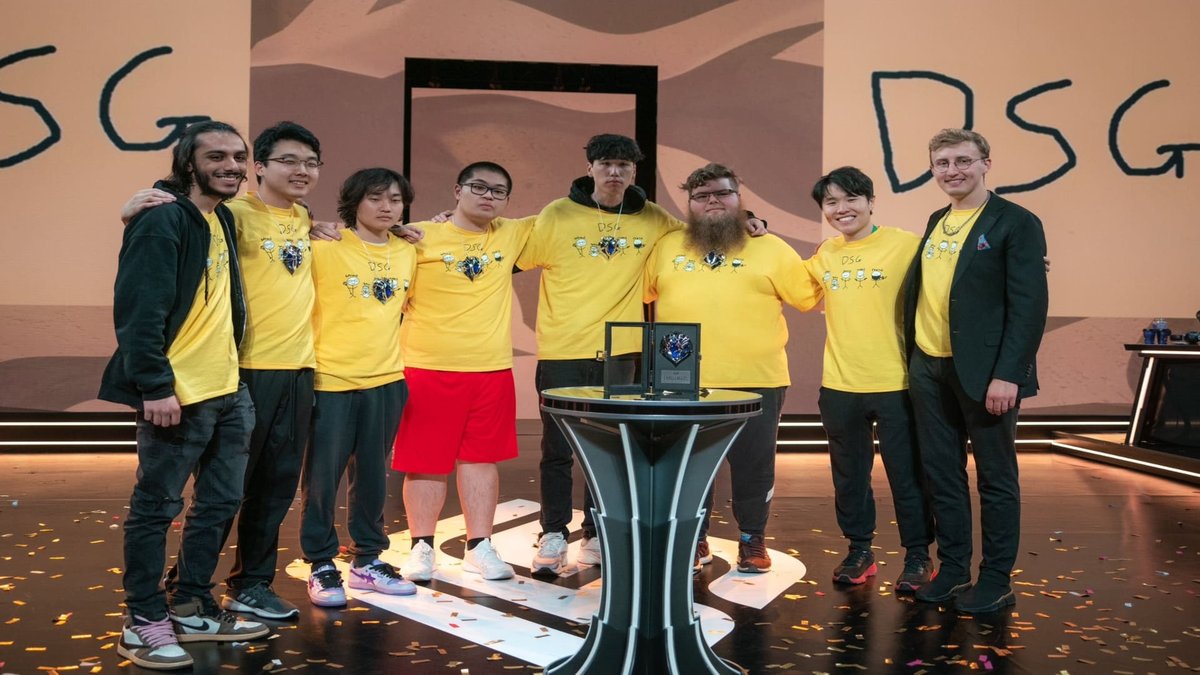
The abrupt disbanding of the Disguised Toast VALORANT team has fans wondering: what's next for Jeremy "Disguised Toast" Wang's esports ambitions, particularly regarding a potential disguised toast league team? While VALORANT appears to be on hold, whispers of a League of Legends venture have sparked considerable speculation.
At a glance:
- Disguised Toast has stepped away from VALORANT due to streaming restrictions and team performance.
- A potential League of Legends team is rumored, focusing on North American talent.
- The future of Disguised's esports organization is uncertain, contingent on strategic partnerships and clear objectives.
- Streaming revenue plays a pivotal role in DSG's viability, influencing team selection and league participation.
- Success in esports requires more than just signing talent; infrastructure and strategic direction are critical.
From VALORANT to... League? The Toast Esports Trajectory
Disguised Toast's journey into esports has been a rollercoaster. His initial foray into VALORANT showed promise but was ultimately hampered by inconsistent performance and, more recently, by restrictive streaming policies within the VALORANT Challengers League SEA. These policies, stemming from a partnership between Riot Games and SOOP, effectively prevented Disguised from co-streaming his team's matches, significantly impacting his organization's revenue stream.
This pivot raises a critical question: can Disguised Toast leverage his existing fanbase and streaming expertise to build a successful League of Legends team? The answer depends on several factors, including team selection, league choice, and strategic partnerships.
The Streaming Revenue Dilemma: A Core Decision Driver
The core issue underlying Disguised Toast's VALORANT exit revolves around streaming revenue. For content creators like Disguised Toast, streaming isn't just a promotional tool; it's a vital source of income that directly funds the organization's operations, including player salaries, coaching staff, and infrastructure costs.
The inability to stream VALORANT matches due to the SOOP partnership made the team unsustainable. Without the ability to monetize content related to the team, Disguised Toast faced a difficult choice: continue investing in a team that couldn't generate revenue or withdraw from the league and re-evaluate his options. He chose the latter.
This demonstrates a crucial aspect of modern esports: the business model often relies heavily on content creation and streaming revenue. Teams need to be entertaining and engaging to attract viewers, and streamers like Disguised Toast provide that bridge between the competitive scene and the broader gaming community.
League of Legends: A New Hope or a Different Challenge?
The rumour of a disguised toast league team has ignited excitement within the League of Legends community. However, League poses unique challenges that differ from VALORANT. Here's a comparison:
| Feature | VALORANT | League of Legends |
|---|---|---|
| Team Size | 5 players | 5 players |
| Competitive Scene | Emerging; regional leagues and Challengers | Established; franchised leagues (e.g., LCS) |
| Streaming Impact | High; individual streamer impact crucial | High; team and player personalities matter |
| Barrier to Entry | Relatively lower | Higher, especially for franchised leagues |
| Unlike VALORANT, where Disguised Toast could quickly enter the Challengers scene, the North American League of Legends Championship Series (LCS) is a franchised league. This means securing a spot requires significant investment and approval from Riot Games. Alternatively, Disguised Toast could explore the amateur or academy scene, focusing on developing talent and building a brand before attempting to enter the LCS. |
Building a League Team: Key Steps and Considerations
If Disguised Toast decides to pursue a League of Legends team, here are some vital steps and considerations:
- Define the Objectives: What are the goals for the team? Are they focused on long-term development, immediate competitive success, or content creation? Clearly defined objectives will guide all subsequent decisions.
- Identify the Target League: Will the team compete in the LCS Academy League, a lower-tier amateur league, or aim for LCS qualification? Each option requires a different level of investment and commitment.
- Scout for Talent: The talent pool in North American League of Legends is competitive. Disguised Toast will need to identify promising players who align with his team's objectives and brand.
- Example: Look for rising stars in the collegiate scene or players with a strong work ethic and positive attitude in the amateur leagues.
- Secure Coaching and Management: A skilled coaching staff is essential for developing players and implementing effective strategies. A capable management team will handle logistics, marketing, and sponsorship opportunities.
- Develop a Content Strategy: Streaming and content creation will be crucial for generating revenue and building a fanbase. Disguised Toast should leverage his existing platform and create engaging content that showcases the team's players and their journey.
- Establish Partnerships: Collaborating with established esports organizations or brands can provide valuable resources and expertise.
- Example: Partnering with a gaming peripheral company for equipment and sponsorships.
Navigating the Pitfalls: Avoiding Common Mistakes
Entering the esports scene is not without its challenges. Here are some common pitfalls to avoid:
- Overspending on Talent: While star players are important, building a cohesive team with good synergy is often more effective than simply acquiring expensive individual talent.
- Lack of Infrastructure: Failing to invest in coaching, facilities, and support staff can hinder the team's development and performance.
- Ignoring Content Creation: Neglecting streaming and content creation can limit the team's revenue potential and fanbase growth.
- Impatience: Building a successful esports team takes time and effort. It's important to have realistic expectations and stay committed to the long-term vision.
A Practical Playbook: Launching an Esports Team
Here's a simplified decision tree to assist in launching an esports team:
- Esports Game Choice: (a) League of Legends? (b) Another game? (If b, research competitive scene/streaming value)
- Team Goal: (a) Develop players? (b) Win tournaments quickly? (c) Entertainment-first?
- League Choice (LoL): (a) LCS Academy? (b) Amateur circuit? (c) Qualify for LCS?
- Content Strategy: (a) Primarily Disguised Toast streams? (b) Team-focused channels? (c) Both?
- Partnerships: (a) Seek esports org guidance? (b) Brand sponsors only? (c) None?
Quick Answers: Common Questions About Disguised Toast's Esports Future
- Q: Is Disguised Toast definitely leaving VALORANT?
- A: While he hasn't explicitly ruled it out entirely, the disbanding of his team and his comments about re-evaluating his involvement suggest a significant shift away from VALORANT.
- Q: How important is Disguised Toast's personal brand to the team's success?
- A: Extremely important. His existing fanbase provides a built-in audience and revenue stream. However, the team's long-term success will depend on its ability to attract and retain its own fans.
- Q: What are the biggest hurdles for a new League of Legends team?
- A: Securing funding, attracting top talent, and navigating the complex competitive landscape are all significant challenges. Standing out from the crowd and building a unique brand identity is also crucial.
The difficulties faced by Disguised Toast in the VALORANT scene are detailed further in this article: DSG Valorant's Streaming Troubles. The streaming restrictions and their impact have highlighted the intertwined relationship between esports and content creation.
A New Chapter?
The future of Disguised Toast's esports organization remains uncertain. While the VALORANT chapter appears to be closed, the possibility of a disguised toast league team offers a new avenue for his entrepreneurial spirit and passion for gaming. Whether he chooses to pursue this path or explore other opportunities, one thing is clear: Disguised Toast's influence on the esports scene is far from over. His next move will be closely watched by fans and industry professionals alike.