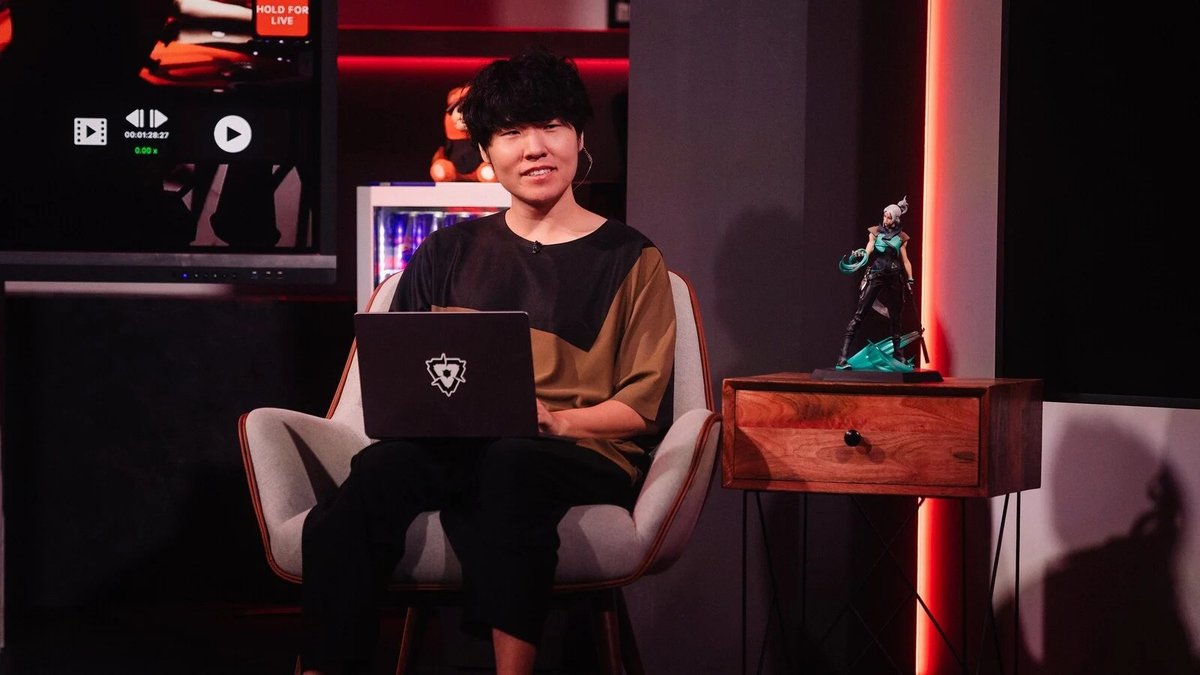
For fans following Jeremy "Disguised Toast" Wang's esports venture, the news that Disguised (DSG) is disbanding its Valorant team likely hits hard. While DSG has teams across multiple games, the Valorant squad held a special place, marked by both triumphs and tribulations. A major factor in this decision: the perceived limitations imposed by streaming restrictions, specifically the exclusive streaming partnership impacting their Challengers SEA participation.
At a glance:
- Understand the key reasons behind Disguised's departure from Valorant Challengers SEA.
- Explore how streaming exclusivity impacts esports organizations and their business models.
- Examine the potential long-term consequences of these decisions for all stakeholders involved.
- Learn how DSG's history in Valorant – both NA and SEA – contributed to this outcome.
- Consider what this means for the future of smaller, streamer-owned esports teams.
The Streaming Sticking Point: Why SOOP Matters
The core issue driving DSG's exit centers around Riot Games' partnership with SOOP, a South Korean streaming platform. This deal grants SOOP exclusive streaming rights for the Valorant Challengers SEA league. While exclusivity agreements are common in esports, the problem for DSG lies in its reliance on co-streams and the exposure Disguised Toast's personal Twitch channel provides. Disguised Toast's brand is intrinsically tied to streaming, and the organization leveraged his platform to grow its fanbase and attract sponsors. Restricting streaming to SOOP significantly diminishes that value proposition.
The inability to co-stream on platforms like Twitch, where Disguised Toast boasts a massive following, drastically reduces viewership and engagement for DSG's Valorant matches. This directly impacts potential sponsorship revenue and the team's overall visibility. It also hinders the organization’s ability to cultivate a strong, dedicated fanbase around its Valorant team, which is critical for long-term sustainability. For organizations like Disguised, streaming isn’t just a bonus; it’s a core component of their business model.
DSG's Valorant Journey: A Rollercoaster Ride
To fully appreciate this decision, it's crucial to consider DSG's history in Valorant. The organization initially entered the scene in North America, fielding both main and Game Changers teams. The NA squad experienced a tumultuous run, from initial qualification to relegation, despite the high-profile addition of Jaccob "yay" Whiteaker at one point. The Game Changers team also faced challenges, leading to DSG's eventual exit from that scene.
In 2024, Disguised partnered with Bleed Esports, shifting its Valorant focus to Southeast Asia. This move initially proved successful, with the team winning Valorant Challengers 2024 Southeast Asia: Split 3 and Predator League Singapore. However, the team also faced controversies, including a match-fixing investigation, which ultimately led to roster changes. Despite these hurdles, DSG remained committed to the SEA region until the recent SOOP exclusivity announcement.
This history highlights DSG’s investment in Valorant, its willingness to adapt, and its resilience in the face of adversity. The decision to disband, therefore, suggests a fundamental incompatibility between the streaming restrictions and the organization's operational model. More context about how this decision fits into DSG's broader strategy can be found Why DSG Valorant Team Disbanded.
The Broader Impact: Streamers, Esports, and Exclusivity
DSG's situation raises broader questions about the role of streaming in esports and the implications of exclusivity deals. While these deals can provide financial stability for leagues and teams, they also risk alienating a significant portion of the audience and hindering the growth of smaller, streamer-owned organizations.
For streamers like Disguised Toast, esports represents a unique opportunity to engage with their audience in a meaningful way, build brand loyalty, and create compelling content. Streaming restrictions undermine this value proposition, making it difficult for these organizations to compete with larger, more established teams that are less reliant on streaming revenue.
Consider this scenario:
- Scenario: A small esports organization heavily relies on Twitch revenue and co-streams for visibility.
- Challenge: The league implements a SOOP-like exclusive streaming agreement.
- Impact: Viewership, engagement, and sponsorship opportunities plummet.
- Outcome: The organization struggles to remain competitive and may be forced to disband its team.
This hypothetical scenario closely mirrors DSG's current situation and highlights the potential dangers of prioritizing exclusivity over accessibility.
Practical Playbook: Navigating Streaming Restrictions
For esports organizations facing similar challenges, here's a practical approach:
- Assess the Impact: Quantify the potential loss of revenue and viewership due to streaming restrictions. Conduct surveys and analyze historical data to understand the impact on your audience and sponsorship opportunities.
- Negotiate with the League: Attempt to negotiate exceptions or alternative solutions with the league organizers. Explore options such as delayed co-streams, community streams, or alternative content formats that comply with the restrictions.
- Diversify Revenue Streams: Reduce reliance on streaming revenue by exploring alternative funding sources. Consider merchandise sales, premium content subscriptions, partnerships with non-endemic sponsors, and crowdfunding campaigns.
- Explore Alternative Platforms: Invest in content creation and community building on platforms beyond Twitch and SOOP. Focus on creating engaging content for YouTube, TikTok, Twitter, and other social media channels.
- Advocate for Change: Work with other esports organizations and streamers to advocate for more flexible streaming policies. Lobby league organizers and governing bodies to consider the needs of smaller teams and streamer-owned organizations.
Quick Answers: Common Questions about Disguised's Valorant Exit
- Q: Was streaming the only reason DSG disbanded?
- A: While the streaming restrictions were a major factor, other considerations like team performance and the overall competitive landscape likely played a role. However, Disguised Toast has explicitly stated that the SOOP exclusivity was the primary driver.
- Q: Could DSG have simply streamed on SOOP?
- A: While technically possible, SOOP does not offer the same audience reach or integration with Disguised Toast's existing Twitch community. Building a new audience on a different platform would be a significant challenge.
- Q: What does this mean for other streamer-owned esports teams?
- A: DSG's situation serves as a cautionary tale for other streamer-owned teams. It highlights the importance of carefully evaluating the potential impact of streaming restrictions and diversifying revenue streams.
Actionable Close: A Call to Action for Accessibility in Esports
DSG's departure from Valorant underscores the delicate balance between financial stability and accessibility in esports. While exclusivity deals can provide short-term benefits, they also risk stifling innovation, limiting audience reach, and hindering the growth of smaller organizations. Moving forward, it's crucial for leagues and governing bodies to prioritize policies that promote accessibility, support streamer-owned teams, and foster a vibrant and inclusive esports ecosystem. By embracing flexibility and innovation, we can ensure that esports remains a thriving and sustainable industry for all stakeholders involved.