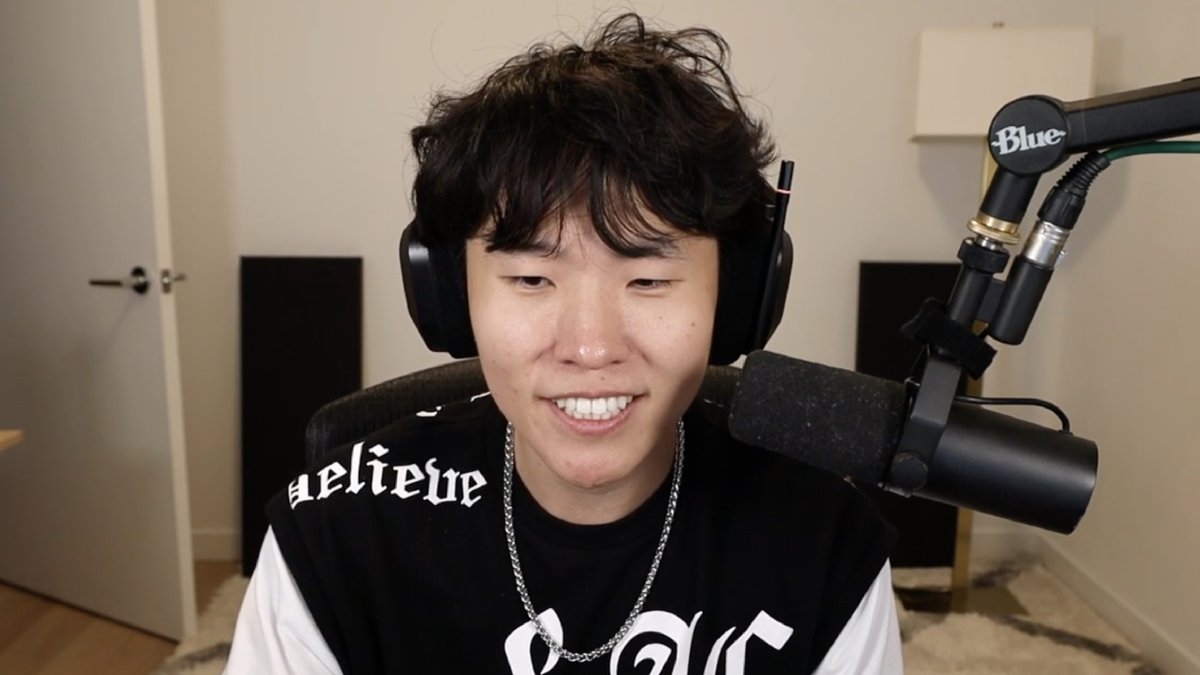
The world of disguised esports is often unpredictable, but few expected Disguised (DSG)'s departure from the Valorant Challengers League Southeast Asia. The reason? Streaming restrictions imposed by SOOP, the exclusive streaming platform for the league, which clashed with Disguised Toast's established broadcasting model. This highlights a growing tension in esports: balancing league partnerships with organizational branding and revenue strategies.
At a glance:
- Understand the impact of exclusive streaming deals on esports organizations like Disguised.
- Learn the challenges of co-streaming restrictions in regional competitive scenes.
- Explore alternative revenue strategies for esports teams facing streaming limitations.
- Examine the long-term sustainability questions that arise from such conflicts.
- Identify key considerations for esports organizations when entering regional leagues.
The Core Conflict: Exclusivity vs. Exposure
Disguised, founded by Jeremy "Disguised Toast" Wang, built its brand on community engagement, largely through streaming on platforms like Twitch. The organization built a following due to Disguised Toast's highly visible and passionate streams of his teams. The Valorant team's participation in VCL Southeast Asia presented a conflict: the league's exclusive streaming partnership with SOOP prevented DSG from co-streaming matches on Twitch.
This seemingly simple restriction has significant ramifications:
- Reduced Exposure: Disguised loses the visibility it gains from Disguised Toast's Twitch channel, diminishing its reach to existing fans and potential new ones.
- Revenue Loss: Fewer viewers on Twitch means less potential revenue from subscriptions, donations, and sponsorships tied to Disguised Toast's streams.
- Brand Dilution: Forcing viewers to SOOP, a platform less familiar to Disguised's established fanbase, potentially weakens brand loyalty.
Why Co-Streaming Matters in Disguised Esports
Co-streaming, where content creators broadcast official matches with their own commentary and personality, has become a valuable tool for esports organizations. It's a way to amplify viewership, engage diverse audiences, and build community around esports events.
Here's why it's particularly important for "disguised esports" teams like DSG:
- Leveraging Influencer Power: Disguised Toast's personal brand is inextricably linked to DSG. His streams draw a dedicated audience that is interested in the team's performance.
- Creating Engaging Content: Co-streams offer a more interactive and personalized viewing experience compared to official broadcasts.
- Driving Fan Engagement: Co-streaming fosters a sense of community by allowing fans to connect with their favorite streamers while watching the games.
Imagine Disguised Toast co-streaming a DSG Valorant match: he could provide insightful commentary, react to key moments, and interact with viewers in chat, creating a much more engaging experience than a standard broadcast. Without this ability, DSG's potential viewership and engagement are severely limited.
The Southeast Asia Dilemma: Navigating Regional Esports Ecosystems
The DSG Valorant team's disbandment highlights the challenges of navigating regional esports ecosystems. Southeast Asia, while a vibrant and growing market, has unique characteristics that organizations need to consider:
- Diverse Platforms: Unlike North America or Europe which are largely dominated by Twitch and YouTube, Southeast Asia has a more fragmented landscape with various local streaming platforms holding significant market share.
- Varying Regulations: Streaming rights and regulations can differ significantly from country to country, adding complexity to broadcasting agreements.
- Economic Considerations: Revenue models and sponsorship opportunities may not be as mature as in established esports regions.
DSG's experience serves as a cautionary tale: organizations need to conduct thorough due diligence and understand the specific requirements and limitations of each regional league before committing to participation. Here are a few options, aiming for natural flow: * DSG Valorant Team's Shocking End * Why DSG Valorant Fell Apart * DSG Valorant Team Disbands - Learn Why * DSG Valorant Team Breakup Explained. This context is critical because DSG's brand hinged on open streaming – a core element that clashed directly with the league's structure.
Alternative Revenue Streams: Beyond Streaming
While streaming revenue is important, "disguised esports" organizations like Disguised need to diversify their revenue streams to mitigate the impact of streaming restrictions.
Here are some alternatives:
- Merchandise Sales: Design and sell branded merchandise (apparel, accessories, etc.) to capitalize on fan loyalty.
- Sponsorships: Secure sponsorships from brands that align with the organization's values and target audience. For example, Disguised already partnered with Chipotle Mexican Grill, showcasing the potential for non-endemic brand deals.
- Content Creation: Produce engaging content beyond match broadcasts, such as player interviews, behind-the-scenes footage, and strategy breakdowns.
- Community Events: Host online and offline events to foster community engagement and generate revenue through ticket sales or sponsorships.
- Partnerships with Local Businesses: Collaborate with local businesses in the region to offer exclusive deals and promotions to fans.
Example: Imagine DSG partnering with a local gaming cafe in Malaysia to host viewing parties for Valorant matches, offering discounts on food and drinks to attendees.
Practical Playbook: Entering Regional Esports Leagues
Here’s a step-by-step guide for esports organizations considering entering regional leagues:
- Research & Due Diligence:
- Thoroughly investigate the league's streaming policies and broadcasting agreements.
- Understand the regional streaming landscape (dominant platforms, regulations, etc.).
- Assess the potential revenue opportunities and sponsorship landscape.
- Negotiate Terms (If Possible):
- Attempt to negotiate co-streaming rights or alternative broadcasting arrangements.
- Explore options for flexible content distribution.
- Develop a Contingency Plan:
- Identify alternative revenue streams to compensate for potential streaming losses.
- Create a communication strategy to manage fan expectations and address any concerns.
- Build Local Partnerships:
- Collaborate with local organizations, influencers, and businesses to expand reach and engagement.
- Adapt content and marketing strategies to resonate with the regional audience.
- Monitor & Evaluate:
- Track viewership, engagement, and revenue performance.
- Adjust strategies as needed based on data and feedback.
Quick Answers: Common Questions About "Disguised Esports" and Streaming
Q: Why can't Disguised just stream on SOOP?
A: While technically possible, it's not a viable long-term strategy. Disguised's brand is built on Disguised Toast's Twitch presence. Moving entirely to SOOP would alienate their existing fanbase and diminish their overall reach.
Q: Are streaming restrictions common in esports leagues?
A: Increasingly so. Leagues seek exclusive deals to control content distribution and maximize revenue. This is a trend, not an isolated incident.
Q: Can esports organizations push back against these restrictions?
A: Yes, but it requires careful negotiation and a strong understanding of their leverage. Organizations with large fanbases and strong brand value have more negotiating power.
Q: What's the long-term impact of these restrictions on smaller esports organizations?
A: They can be devastating. Smaller organizations often rely heavily on streaming revenue and community engagement. Restrictions can make it difficult to compete and sustain operations.
Actionable Close: Making Informed Decisions
The case of the DSG Valorant team highlights the crucial need for esports organizations to make informed decisions about league participation, especially in emerging regions. Organizations have to seriously consider that a great team, an amazing community and an established streamer doesn't necessarily translate to success if the logistical realities of a league don't work out. By carefully weighing the pros and cons, developing alternative revenue strategies, and building strong local partnerships, organizations can navigate the complexities of the esports landscape and build sustainable businesses. The future of "disguised esports" depends on the ability to adapt.